If you are one of the millions of people using GLP-1 medications like Ozempic, Wegovy, or Mounjaro, you know they can be a total game-changer. These medications have opened up new doors for diabetes management and weight health that many of us thought were permanently locked.
But here is the thing: while these meds are powerful tools, they aren't "magic." They work best when they are paired with the right nutrition habits. Because these medications slow down your digestion and change how your brain signals hunger, your old way of eating might not work anymore. In fact, if you stick to your old habits, you might find yourself dealing with nasty side effects like nausea, fatigue, or muscle loss.
As a registered dietitian, I see people making the same handful of mistakes over and over. The good news? They are all easy to fix with some simple, realistic shifts. We aren't looking for perfection here: just progress that fits your life.
Let’s dive into the seven most common mistakes I see and how you can fix them today.
1. Not Eating Enough Protein
This is the number one mistake I see. When you are on a GLP-1, your appetite drops significantly. You’re eating less, which is how the weight loss happens. However, if you aren't careful, your body will start burning muscle for energy instead of just fat.
This leads to what people often call "skinny fat" or "Ozempic face," where you lose weight but also lose the muscle that keeps your metabolism revved up and your body strong.
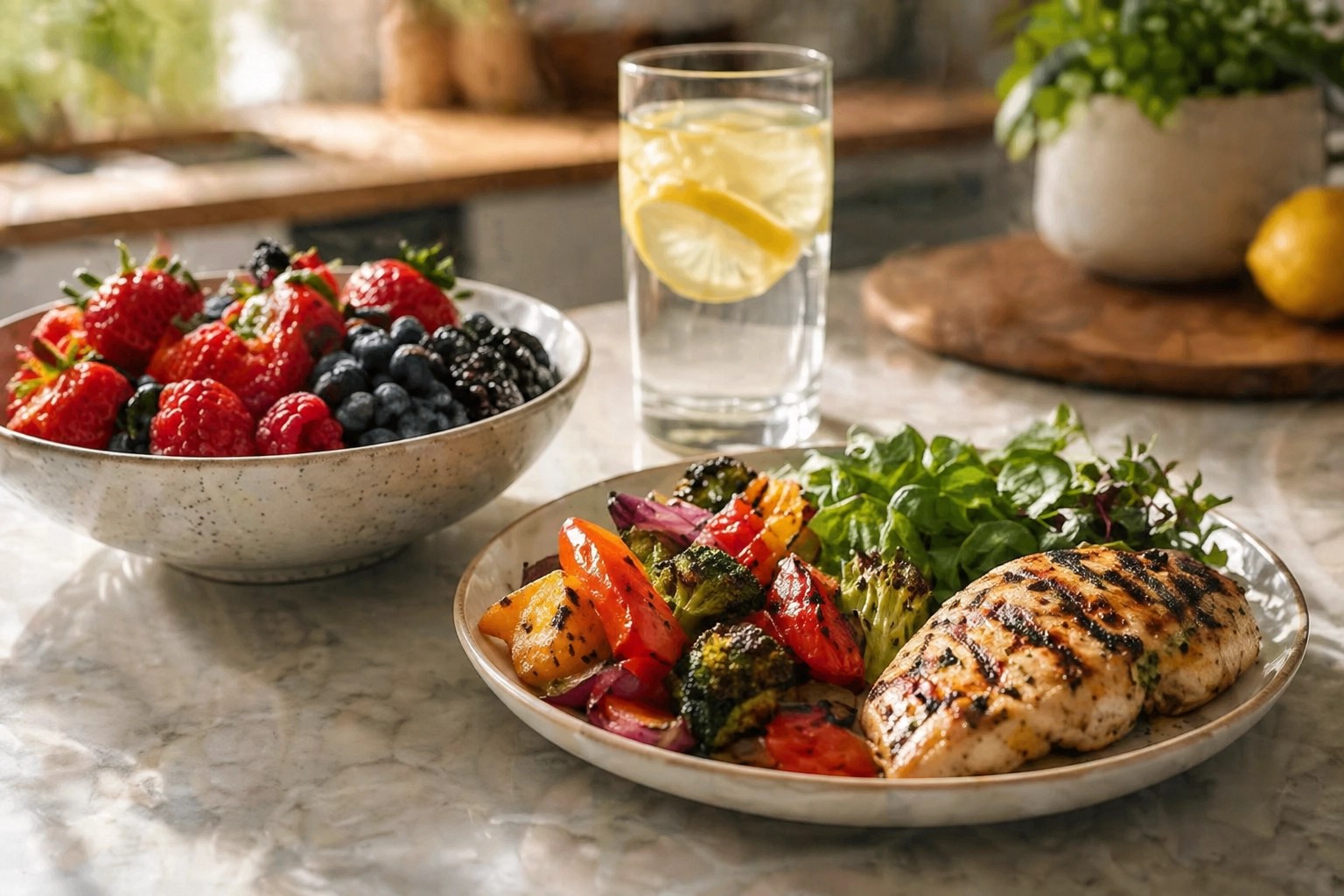
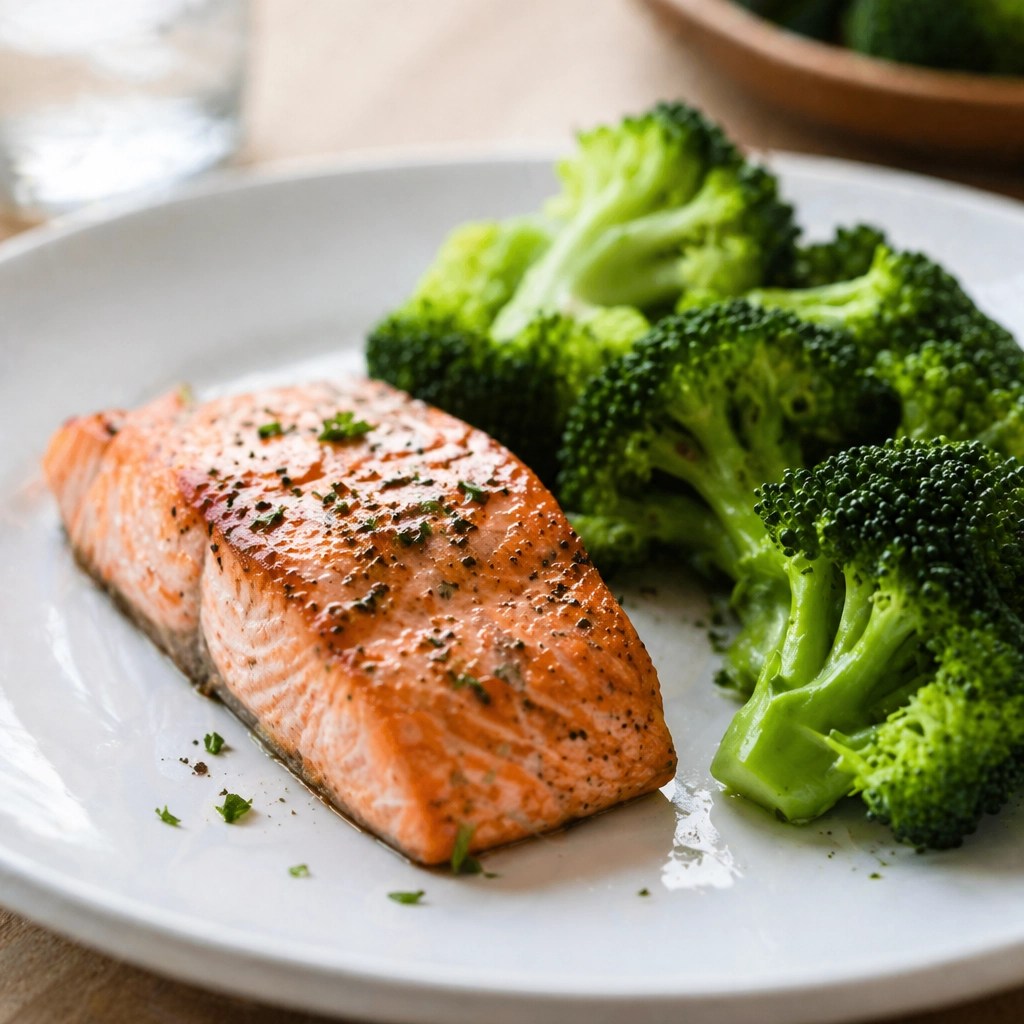
The Fix: Make protein the star of every meal. Aim for about 25–30 grams of protein at each sitting. Think Greek yogurt for breakfast, chicken or tofu for lunch, and lean steak or fish for dinner. If you can't finish a full meal, prioritize the protein first before you touch the sides.
2. Neglecting Your Fiber Intake
Constipation is one of the most common side effects of GLP-1 medications. Because these drugs slow down your gastric emptying (how fast food leaves your stomach), things can get "backed up" pretty quickly. If you aren't eating enough fiber, you’re going to feel bloated, heavy, and uncomfortable.
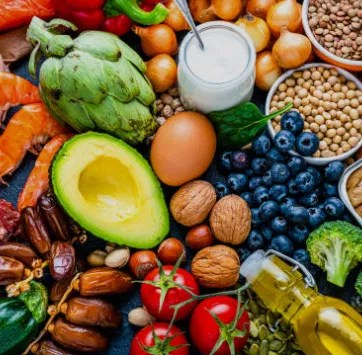
The Fix: Incorporate high-fiber foods slowly so you don't cause extra gas. Add berries to your yogurt, swap white bread for whole-grain versions, and keep some roasted veggies in the fridge. Aim for at least 25 grams of fiber a day, but remember to increase your water intake at the same time!
3. Forgetting to Hydrate (Specifically with Electrolytes)
Did you know that GLP-1s can actually dampen your thirst signals? You might go hours without realizing you haven't had a sip of water. Dehydration makes everything feel worse: it increases nausea, causes headaches, and makes you feel exhausted.
Furthermore, if you are experiencing any vomiting or diarrhea (common side effects when starting these meds), you are losing vital electrolytes like sodium and potassium.
The Fix: Keep a water bottle with you at all times. If plain water feels "heavy" in your stomach: a common complaint: try adding a squeeze of lemon or a sugar-free electrolyte powder. Sip slowly throughout the day rather than chugging large amounts at once.

4. Choosing "Slider Foods"
"Slider foods" are items that are easy to eat, even when you aren't very hungry. Think crackers, chips, ice cream, or highly processed snacks. They "slide" right through because they lack protein and fiber.
While they might settle your stomach in the short term, they don't give your body the nutrients it needs. Over time, relying on these can lead to nutrient deficiencies and stalls in your progress.
The Fix: Don't ban these foods entirely: that’s not realistic! Instead, try to "bridge" them. If you want crackers, pair them with a cheese stick or some turkey slices. If you want something sweet, have it after a balanced meal. The goal is to keep your blood sugar stable and your body nourished.
5. Eating Too Fast or Too Much at Once
Because GLP-1s slow your digestion, your stomach can only handle so much at one time. If you eat a large meal at your pre-medication pace, you will likely end up feeling extremely nauseous or dealing with "sulfur burps." Your brain needs time to register the "full" signal that the medication is enhancing.
The Fix: Practice the "20-minute rule." Take a bite, put your fork down, and chew thoroughly. It takes about 20 minutes for your brain to realize you are full. Try using a smaller plate to help visually transition to smaller portions. Think "quality over quantity."
6. Skipping Meals Entirely
It is tempting to skip meals when you simply aren't hungry. However, going too long without eating can actually backfire. It can lead to extreme fatigue and, ironically, more nausea. When you finally do eat, you might be so hungry that you overeat, leading to the discomfort we talked about in mistake number five.
The Fix: Even if you aren't hungry, try to have "mini-meals" throughout the day. A hard-boiled egg here, a handful of almonds there. Keeping a steady stream of nutrients coming in helps maintain your energy levels and keeps your metabolism steady.
7. Going It Alone Without Personalized Support
The biggest mistake is thinking you have to figure this all out by yourself. Every body reacts to GLP-1 medications differently. What works for your neighbor might not work for you. Generic advice from the internet can only get you so far: you need a plan that accounts for your specific health history, your food preferences, and your busy life.
The Fix: Work with a Registered Dietitian who specializes in metabolic health and diabetes management. I provide personalized nutrition counseling that acts as your "guide by your side." We can look at your CGM patterns together, troubleshoot side effects, and build a lifestyle that lasts long after the medication.

Summary: Your Path to Success
GLP-1 medications are a fantastic tool, but they are just one piece of the puzzle. By avoiding these seven common mistakes, you can maximize your results and feel great while doing it.
Here is your quick checklist for the week:
- Prioritize Protein: Aim for 25-30g per meal.
- Focus on Fiber: Add one serving of veggies or berries to your day.
- Sip, Don't Chug: Keep your water bottle handy.
- Slow Down: Take at least 20 minutes to finish your meal.
You don't have to be perfect to see amazing results. You just need a plan that's realistic for your actual life.
Ready to stop guessing and start seeing real progress?
Contact me today to schedule a consultation. Let’s turn nutrition science into your new everyday habits!
Leave a Reply